How does Austria celebrate Easter?
From egg hunts for the little ones to the festive Easter feast and a wealth of regional customs found in every corner of the country.
Österreich Institut
July 11, 2026
 Culture
From egg hunts for the little ones to the festive Easter feast and a wealth of regional customs found in every corner of the country – Easter is one of Austria's most beloved and richly celebrated holidays.
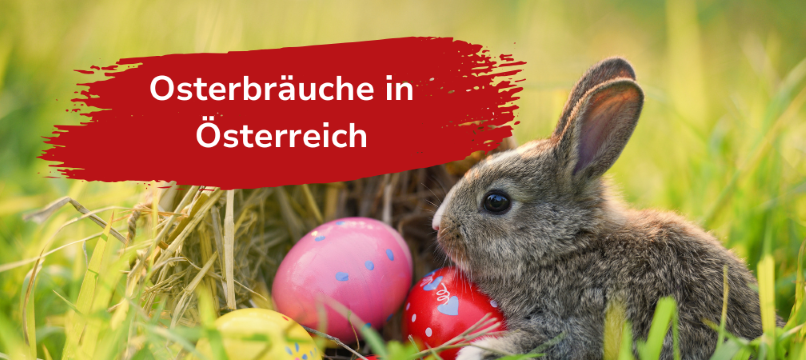
In Austria, Easter traditions are deeply rooted in both Christian faith and ancient folk customs. The holy week begins with Palm Sunday processions and culminates in the joyful celebrations of Easter Sunday. Decorating Easter eggs – a craft taken very seriously in Austria – is a family tradition passed down through generations, with hand-painted and intricately carved eggs on display in homes and markets across the country.
The Easter lamb (Osterlamm) made from sweet dough or sponge cake is a centrepiece of the Easter table. Regional specialities vary from province to province, making Easter in Austria a wonderfully diverse culinary and cultural experience.